
By admin
The Future of Mobile App Development: Emerging Trends You Need to Know
Introduction:
The world of mobile app development is constantly evolving. What was innovative just a few years ago can become obsolete in the fast-paced world of technology. To stay ahead of the competition and ensure your app meets the growing demands of users, it’s essential to keep up with emerging trends in mobile app development. In this blog, we’ll take a look at the latest trends shaping the future of mobile app development and how businesses can leverage them to create cutting-edge, user-friendly applications.
The Rise of 5G: Enhancing App Performance and User Experience
Overview:
- Improved Speed and Efficiency: The low latency and increased bandwidth provided by 5G means apps can perform faster and more efficiently, enhancing the overall user experience.
- New Use Cases: 5G will enable apps that rely on real-time data processing, such as autonomous driving apps, AR/VR, and IoT-powered applications, to work more seamlessly.
Why it matters:
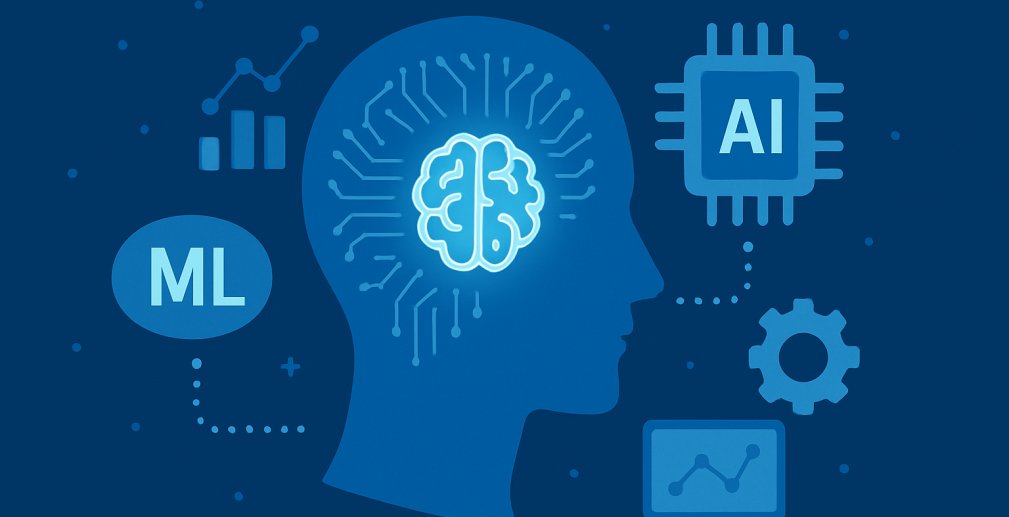
Artificial Intelligence (AI) and Machine Learning Integration
Overview:
- Personalization at Scale: AI can help tailor the user experience by analyzing user behavior, preferences, and patterns to offer personalized content and services.
- Predictive Analytics: With machine learning, apps can predict user needs and suggest actions or products, increasing user retention and engagement.
Augmented Reality (AR) and Virtual Reality (VR)
Overview:
- Enhanced User Engagement: AR and VR offer a more immersive and engaging experience, providing users with unique ways to interact with content.
- Increased Sales and Conversion: Retailers are increasingly using AR to allow customers to visualize products before making a purchase, improving conversion rates.
Internet of Things (IoT) Integration
Overview:
- Remote Control and Automation: IoT-enabled mobile apps allow users to control devices remotely, automate processes, and monitor real-time data.
- Real-Time Data Insights: IoT devices generate valuable data that can be used to optimize processes, enhance decision-making, and improve the user experience.

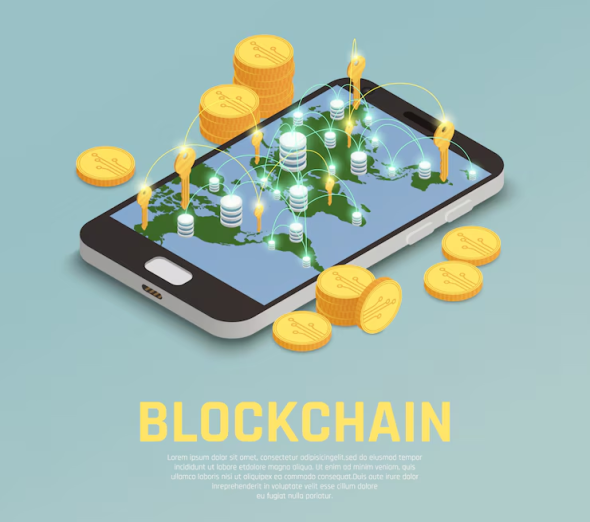
Blockchain Technology in Mobile Apps
Overview:
- Enhanced Security: Blockchain offers a secure and transparent way to store and share data, reducing the risk of fraud and ensuring data integrity.
- Decentralized Apps (DApps): Blockchain allows for the creation of decentralized apps that operate on a peer-to-peer network, offering users more control over their data and transactions.
Cross-Platform Development: Write Once, Deploy Everywhere
Overview:
- Faster Time to Market: Cross-platform frameworks allow businesses to release their app on both major platforms simultaneously, improving speed to market.
- Cost-Effective Development: With a shared codebase, businesses save time and money on development and maintenance.
Hyper-Personalization Through Advanced Analytics and AI
Overview:
- Data-Driven Experiences: AI-powered algorithms use data collected from users to customize content, services, and recommendations, providing a tailored experience.
- Dynamic Interactions: Apps are evolving to be more intuitive, engaging, and responsive based on user behavior, improving user retention and engagement.
Voice-Activated Mobile Apps
Overview:
- Voice Search and Commands: Users can search for information or give commands without typing, creating a more seamless and intuitive experience.
- Accessibility Features: Voice-enabled apps make mobile services more accessible to individuals with disabilities, expanding your app’s usability to a wider audience.
Sustainability in Mobile App Development
Overview:
- Energy-Efficient Design: Reducing the energy consumption of mobile apps can have a positive impact on both users and the environment.
- Eco-Friendly Data Management: By using efficient data storage and management techniques, businesses can reduce their carbon footprint while ensuring optimal app performance.
